

Debt-to-GDP Ratio Explained
Learn what the debt-to-GDP ratio means, how Canada’s compares internationally, and why this metric matters for assessing fiscal health.
Read MoreUnderstand how Canada’s provinces manage their debt differently and what it means for fiscal sustainability

Canada’s 10 provinces aren’t just political divisions — they’re separate fiscal entities with their own budgets, revenue sources, and debt loads. Some provinces manage debt well, others struggle. The differences matter because provincial debt affects everything from healthcare funding to infrastructure investment.
When you look at provincial debt levels, you’re really looking at how sustainable each province’s fiscal future is. A province carrying too much debt relative to its economy faces tough choices: raise taxes, cut services, or both. We’re going to walk through what’s actually happening across the provinces and how they compare.

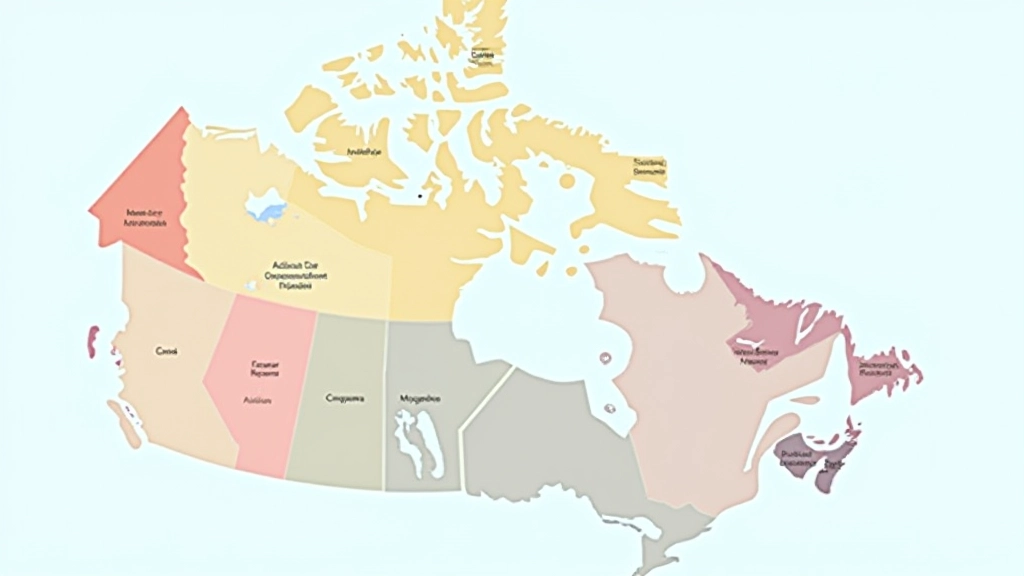
As of 2026, total provincial debt in Canada sits around $800 billion. That’s substantial. But here’s what matters more: how that debt breaks down. Ontario carries the largest absolute debt at roughly $220 billion, followed by Quebec at around $190 billion. These two provinces alone account for about half of Canada’s provincial debt.
But absolute numbers tell only part of the story. You’ve got to look at debt relative to each province’s economy. Alberta and British Columbia have lower debt-to-GDP ratios, sitting around 20-25%. Ontario and Quebec run higher at 35-40%. Manitoba and Saskatchewan maintain moderate levels in the 30% range.
What’s happening here? Provinces with stronger resource sectors or larger urban economies tend to carry debt more comfortably. They’re generating more revenue, so their debt load doesn’t overwhelm their fiscal capacity. That doesn’t mean they don’t have challenges — it just means they’ve got more breathing room.
Revenue sources vary dramatically across provinces. Alberta generates substantial income from oil and gas royalties — though this makes them vulnerable when commodity prices drop. We’ve seen this play out. When oil prices fell, Alberta’s budget went from surplus to significant deficit almost overnight.
Ontario, Quebec, and British Columbia rely more on income taxes and sales taxes. This creates more stable revenue streams but also means higher tax burdens on residents. Ontario’s personal income tax rates rank among the highest in North America.
Atlantic provinces like Nova Scotia and New Brunswick face tougher situations. They’ve got smaller tax bases, aging populations, and limited resource revenues. So they’re trying to manage debt with constrained revenue. It’s genuinely difficult — and it shows in their debt-to-GDP ratios, which hover above 40%.
Federal transfers help balance this. Ottawa sends billions to provinces through equalization payments and other programs. Without this support, fiscal disparities would be even more extreme.

“Provincial debt sustainability isn’t just about numbers — it’s about whether a province can fund essential services while meeting debt obligations. That requires balancing revenue growth with controlled spending.”
— Fiscal Policy Analysis
Different provinces take different approaches. Some focus on keeping debt growth slower than economic growth — which gradually improves debt-to-GDP ratios. Others aim for balanced budgets within specific timeframes. A few are actually running surpluses and paying down debt.
British Columbia has implemented a “fiscal anchor” framework — they’ve committed to keeping debt-to-GDP below a certain threshold. This creates accountability and signals to markets that they’re serious about sustainability. It’s worked reasonably well, though it constrains spending flexibility during economic downturns.
Ontario’s approach has been more variable. They’ve set deficit reduction targets, but meeting them often requires tough choices on public sector wages or service levels. Quebec has pursued a middle path — they’ve gradually reduced their debt ratio but haven’t committed to the kind of strict anchors that BC uses.
The Atlantic provinces face structural challenges. They’re working toward sustainability, but with smaller economies and aging populations, progress is slow. Many have implemented spending controls and are looking for economic growth to improve their fiscal position.
Key metrics comparing major provinces
Largest economy, managing high absolute debt with balanced approach
Second-largest, gradually improving debt metrics over time
Strongest ratio, fiscal anchor framework guides policy
Resource-dependent, improved ratio from previous years
Provincial debt in Canada isn’t a crisis, but it’s not irrelevant either. The differences across provinces tell a real story about fiscal sustainability. Provinces with diversified economies, strong revenue bases, and disciplined spending practices are positioning themselves better for the future. Those facing demographic headwinds or revenue constraints are making harder choices.
The key takeaway? Provincial debt levels matter because they shape what provinces can spend on healthcare, education, and infrastructure. Higher debt servicing costs mean less money for programs. That’s why understanding these metrics isn’t just about fiscal policy — it’s about the actual services and opportunities available in each province.
Over the coming years, watch how provinces respond to economic pressures. Will they stick to fiscal anchors? Will revenue growth outpace spending? How will aging populations affect their budgets? These questions will determine whether provincial debt becomes more sustainable or more problematic.
This guide presents educational information about provincial debt in Canada. The figures and data referenced are based on publicly available information as of March 2026 and are intended for informational purposes only. Provincial budgets and debt levels change regularly, and these comparisons represent snapshots in time. For the most current and precise debt figures, consult official provincial budget documents and Statistics Canada. This content is not financial advice, and circumstances vary by province and change over time.